
Hyundai Ioniq 6 vs Ioniq 9: Which Electric Hyundai Should You Wait For
Hyundai IONIQ 6 vs IONIQ 9: claimed 614 km versus 600 km, five seats versus seven, Rs 65 lakh versus Rs 100 lakh expected. We compare specs and help you decide which pre-launch electric Hyundai to wait for.

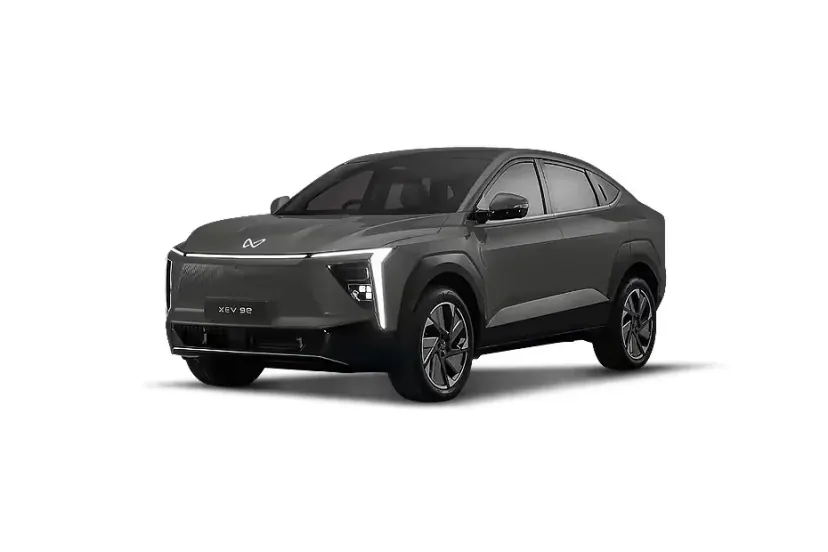
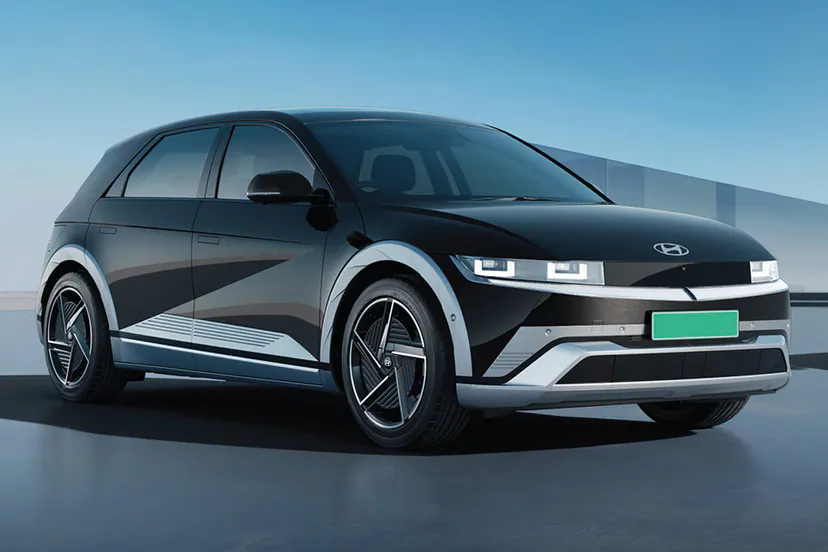
Hyundai is bringing two flagship EVs to India within weeks of each other, and they could not be more different in intent. The Hyundai IONIQ 6 is an aerodynamic five-seat sedan expected around November 2026 with a claimed 614 km range, while the Hyundai IONIQ 9 is a seven-seat three-row SUV expected around December 2026 with a claimed 600 km range. Both are still pre-launch, so prices are expectations rather than confirmations, but the positioning is already clear: one is the efficiency car, the other is the space car.
This is not a conventional head-to-head. The two share a badge, an 800-volt platform lineage and Hyundai's EV credibility, but they target different buyers with a Rs 35 lakh gap in expected price. If you are deciding which one to wait for, the answer depends on how many seats you need, how much range matters, and whether you want to pay for AWD.
The headline numbers side by side
Hyundai IONIQ 6 | Hyundai IONIQ 9 | |
|---|---|---|
Body type | Sedan | SUV |
Seats | 5 | 7 |
Expected price | Rs 65 lakh | Rs 100 lakh |
Battery | 77.4 kWh | 110.3 kWh |
Claimed range | 614 km | 600 km |
Motor | 228 bhp | 435 bhp |
Drivetrain | RWD | AWD |
Expected launch | November 2026 | December 2026 |
Every figure above is the expected value held in the EVSoch database. Both cars are listed as Upcoming, so treat the prices and dates as planning numbers until Hyundai publishes firm details.
A claimed 614 km for the IONIQ 6 versus 600 km for the IONIQ 9, with a Rs 35 lakh price gap between them.
Why the IONIQ 6's range stands out
The IONIQ 6's headline is efficiency. Its 77.4 kWh battery supports a claimed 614 km of range, which puts it among the longest-claimed ranges of any EV in India and shows what low-drag bodywork does for a car. The sleek sedan shape is central to the claim, and the 228 bhp rear-wheel-drive motor is tuned for smooth, efficient cruising rather than outright speed.
The trade-off is practical size. The IONIQ 6 is a five-seat sedan, and at Rs 65 lakh expected it is a statement of efficiency values as much as a family car. Hyundai has not yet announced official charging times for the India model, so fast-charge figures are still pending confirmation. The single Long Range variant currently listed means the India line-up is thin on paper, and Hyundai may add trims closer to launch.
The exterior palette is fixed for now: Gravity Gold Matte, Digital Green Matte and Serenity White. Beyond that, India-specific infotainment and driver-assistance equipment is unconfirmed, so the specification sheet stays a work in progress until Hyundai publishes it.
Why the IONIQ 9 exists
The IONIQ 9 answers a different question: how do you carry seven people a long way on electricity? A dual-motor AWD system makes 435 bhp, the 110.3 kWh battery claims 600 km, and the three-row layout seats seven. That is nearly twice the IONIQ 6's power and a 35 lakh rupee jump in expected price, for a car that trades the sedan's aero figures for SUV space and all-weather traction.
The battery is 42.9 kWh larger than the IONIQ 6's, yet the claimed range is 14 km shorter. That gap is the weight and drag of a big SUV showing up in the real world, and it is worth understanding before you choose: the IONIQ 9 is not the longer-range car despite the bigger pack. Hyundai has also not announced India charging times for the IONIQ 9; the company's 800-volt architecture should make fast DC charging competitive, but confirmed minutes are pending.
As the flagship, the IONIQ 9 is the car Hyundai wants to sit above its own Hyundai IONIQ 5. At an expected Rs 100 lakh ex-showroom it lands squarely in luxury-SUV territory, and its three-row layout puts it in a segment where few electric options exist in India today.

Feature expectations and colour options
Both cars are still being finalised for India, so full equipment lists are unconfirmed. What is known is the exterior palette. The IONIQ 6 is offered in Gravity Gold Matte, Digital Green Matte and Serenity White. The IONIQ 9 comes in Atlas White, Celadon Gray and Hyperionic Silver. Hyundai will likely add India-specific connected-car and driver-assistance equipment at launch, but nothing is confirmed yet.
The battery warranty terms for both models in India are also unannounced, so the ownership story, meaning charging networks, servicing and long-term battery cover, is incomplete until launch.
Which one should you wait for
Choose the IONIQ 6 if efficiency and the longest claimed range matter most, you do not need more than five seats, and Rs 65 lakh fits your budget. It is the enthusiast's choice, and its range figure is the one that gets talked about.
Choose the IONIQ 9 if you need seven seats, want AWD for all-weather confidence, and can stretch to the Rs 100 lakh expected price. It is the family's choice, and the extra 435 bhp makes a large car feel effortless on highways even if the range claim is shorter.
Neither is the safe early buy. Both are pre-launch, so do not commit until Hyundai confirms pricing, specifications and launch dates. If you can hold on, the November-December 2026 window settles which one is the real deal for India, and it is worth comparing both against other long-range EVs on the market before you book.
One more practical point: the IONIQ 6 and IONIQ 9 are different cars for different garages, not competing siblings. If Hyundai only ever brings one of them to your city's dealers first, that alone may decide it for you, so keep dealer availability in mind alongside the specs while waiting for official announcements.