
Liquid Electricity: How Ethanol-Based EV Charging is Solving Clean Mobility
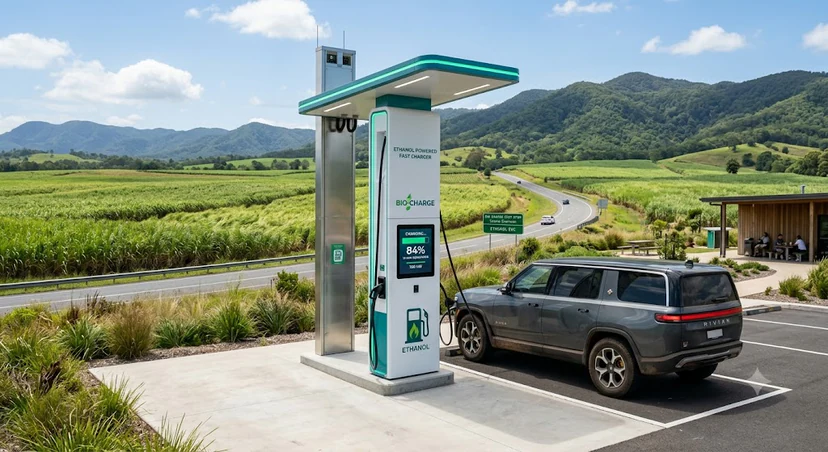
The electric vehicle (EV) revolution has a glaring paradox: the vehicles are ready, but the power grid often isn't.
While EV adoption continues to climb, expanding traditional charging infrastructure faces formidable hurdles. High capital expenditure, months or years of waiting for local electricity distribution company approvals, and severe grid capacity constraints in remote, rural, or high-traffic areas regularly slow down deployment.
Enter ethanol-based EV charging technology, an off-grid, bio-fuel-powered breakthrough dubbed "Liquid Electricity".
Instead of pulling power from an already strained electric grid, this emerging technology generates high-speed DC electricity on-demand using bioethanol. It bridges the gap between biofuels and electro-mobility, providing a fast, scalable solution to range and charger anxiety.
What is Ethanol-Based EV Charging?
At its core, an ethanol-based EV charging system is a mobile or stationary generator-charger hybrid. Rather than relying on traditional grid-tied transformers or dirty diesel generators, these systems use bioethanol, a renewable biofuel derived from agricultural biomass such as sugarcane, corn, or crop residue, to generate clean electricity on site.
Innovations in this space demonstrate how high-power DC fast charging (up to 150 kW) can operate anywhere without a single grid connection, opening up new possibilities for highway, fleet, and off-grid charging locations.
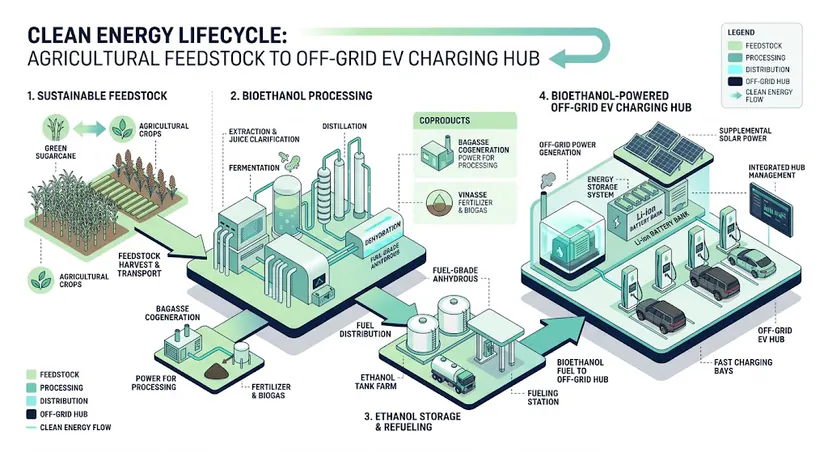
[ Agricultural Biomass ] ➔ [ Bioethanol Fuel ] ➔ [ On-Demand Generation Unit ] ➔ [ 150 kW DC Fast Output ] ➔ [ Electric Vehicle ] |
Why Grid-Independent Charging is a Game-Changer
1. Ultra-Fast Deployment (Hours, Not Months)
Setting up a conventional fast-charging hub requires securing high-voltage power lines, transformer installations, and navigating complex regulatory approvals. Ethanol-based units are plug-and-play. They can be fully operational at a new site in under 72 hours.
2. Up to 80% Lower Carbon Emissions vs. Diesel Gensets
When grid access is unavailable, commercial operators and event organizers historically resort to diesel generators. Running on bioethanol slashes CO2 emissions by up to 80% compared to diesel alternatives, while significantly cutting down toxic particulate emissions and noise pollution.
3. Lower Setup Costs & Zero Grid Dependence
By eliminating the need for expensive sub-station upgrades and heavy infrastructure, ethanol-based charging systems can cut initial installation costs by over 50%. Operators can deploy chargers wherever demand exists, regardless of grid health.
4. True Mobility & Emergency Roadside Support
Because bioethanol is a liquid fuel, charging units can be mounted onto mobile trucks or trailers. This makes them ideal for:
• Highway Rescue: Providing mobile breakdown assistance for stranded EVs.
• Fleet Depots: Providing temporary high-power charging for electric buses and delivery trucks while waiting for permanent grid commissioning.
• Remote & Temporary Events: Supplying clean power at construction sites, festivals, or rural corridors lacking high-voltage infrastructure.
The Broader Impact: Supporting Farmers & Agriculture
One of the most compelling aspects of bioethanol-powered charging is its economic alignment with the agricultural sector. By shifting fuel demand toward bioethanol derived from surplus sugarcane, corn, and agricultural waste, this technology creates a direct revenue stream for farmers. It aligns with national energy independence goals and bioethanol blending mandates, curbing crude oil imports while accelerating the shift to zero-emission road transport.
Comparison: Traditional Grid Charging vs. Diesel Backup vs. Ethanol Chargers
Feature | Standard Grid Fast Charger | Diesel Generator Charger | Ethanol-Based Fast Charger |
Grid Dependency | High (Requires high-capacity connection) | Zero (Off-grid) | Zero (100% Off-grid) |
Deployment Time | Months to over a year | Hours | Under 72 Hours |
Emissions Profile | Depends on local grid mix | Heavy CO2 & particulate output | Up to 80% CO2 reduction vs. Diesel |
Mobility | Fixed location | High | High (Truck / Trailer mounted) |
Primary Advantage | Standard urban setup | Readily available fuel | Rapid, clean, off-grid scalability |
Frequently Asked Questions (FAQs)
1: How does an ethanol-based EV charger convert bioethanol into electricity?
A: Ethanol-based chargers generate electricity using two main methods:
1. High-Efficiency Bioethanol Generators: Internal combustion units designed specifically for bioethanol fuel drive a generator to create high-voltage direct current (DC) electricity.
2. Solid Oxide Fuel Cells (SOFC): Advanced fuel cells convert bioethanol into hydrogen internally (via onboard reforming) and generate electricity with zero direct point-of-use emissions, reaching electrical efficiencies up to 60%.
2: Does ethanol charging emit carbon or air pollutants?
A: While burning ethanol in a generator unit emits minor baseline exhaust, using bioethanol derived from plant waste or sugarcane creates a closed-loop carbon cycle. Compared to conventional diesel generators, which are often used for off-grid power, ethanol chargers reduce net CO2 emissions by up to 80% and virtually eliminate harmful particulate matter, sulfur oxides (SOx), and nitrogen oxides (NOx).
3: How fast can an ethanol-powered charger charge an electric vehicle?
A: Commercial ethanol chargers output up to 150 kW DC fast-charging power. This allows standard electric passenger vehicles to charge from 20% to 80% in under 30 minutes, and can power two vehicles simultaneously.
4: Why not just connect every fast charger to the main electrical grid?
A: Installing high-power grid chargers (100 kW+) requires high-voltage sub-station connections, transformer upgrades, and lengthy utility permit approvals that can take 6 to 18 months. In rural areas, remote highways, or overcrowded urban grids, local power companies simply lack the transformer capacity to support sudden high-wattage draws. Ethanol-based chargers provide instant, off-grid power without waiting for grid expansion.
5: What happens when the bioethanol fuel tank runs out?
A: Mobile and stationary ethanol chargers carry onboard storage tanks capable of holding several thousand kWh worth of energy (often providing over 100 to 200 vehicle charges per tank). Refueling is as simple as scheduling a bioethanol tanker truck delivery, taking less than 15 minutes to refill, mirroring traditional gas station logistics.
6: Who are the main targets for this technology?
A: Key operational use cases include:
• Highway operators & roadside assistance: Rescuing stranded EVs with mobile charge units.
• Commercial fleets & logistics hubs: Temporary fast-charging for electric buses and delivery fleets.
• Remote locations & event organizers: Providing temporary charging at construction sites, festivals, or rural transit corridors.