
Ather Konarc Launched at Rs 99,999: Everything You Need to Know Before You Book
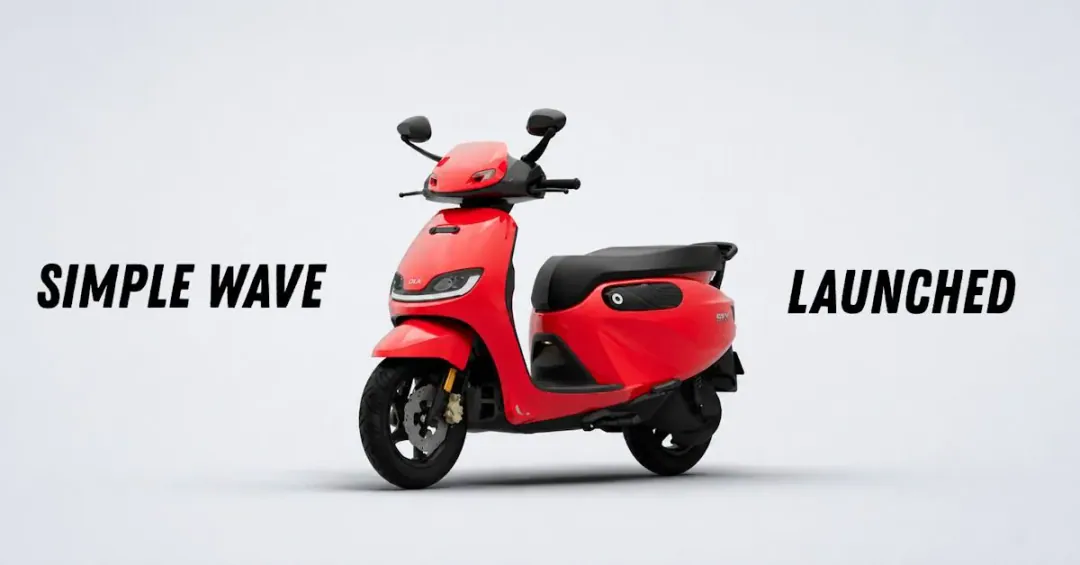
Ather Energy has just launched its cheapest scooter ever. The Konarc debuted at Ather Community Day on 29 August 2026, starting at Rs 99,999 ex-showroom, and it's not a minor addition to the lineup: it's the first production scooter built on Ather's new “EL” platform, and the first Ather with a steel body instead of the aluminium construction used on the 450 series and the Rizta. Here's what actually launched, what's genuinely new, and the one detail in the fine print that could catch buyers out.
EVSoch Verdict

Verdict
Best for: First-time EV buyers who want Ather's software and build quality at a genuinely sub-lakh price, and whose daily riding is short enough that the entry-level range doesn't matter.
Biggest advantage: At Rs 99,999, this is Ather's most accessible scooter by a wide margin, undercutting the Rizta by over Rs 20,000, with financing that includes zero down payment and interest from 5.75%.
Biggest catch: The cheapest variant, the one actually priced at Rs 99,999, won't be delivered until Q1 2027. If you need a scooter now, you're choosing between the pricier 125 km or 161 km variants instead.
Who should wait: Anyone specifically wanting the sub-lakh price point needs to be comfortable with a wait of several months from booking to delivery.
What actually launched, and what's still “coming soon”
Ather announced two scooter lines under the Konarc name: the Konarc S, positioned as the accessible option, and the Konarc Z, a higher-spec line listed as “coming soon” with no price yet.

Variant | Battery | Claimed IDC range | Price (ex-showroom) | Delivery |
Konarc S 100 km | 2.1 kWh | 100 km | Rs 99,999 | Q1 2027 |
Konarc S 125 km | 2.7 kWh | 125 km | Rs 1,21,999 | September 2026 |
Konarc S 161 km | 3.5 kWh | 161 km | Rs 1,44,999 | September 2026 |
Konarc S 200 km | Not confirmed | 200 km | Not announced | Q3 2027 |
Konarc Z 125 km | Not confirmed | 125 km | Not announced | Q2 2027 |
Konarc Z 161 km | Not confirmed | 161 km | Not announced | Q2 2027 |
This is the detail most launch coverage buries: the headline Rs 99,999 price belongs to the variant with the longest wait, nearly five months longer than the 125 km and 161 km versions. If you're booking based on the price you saw in a headline, check which specific variant and delivery date you're actually committing to.
Battery, motor and performance
All three currently-priced Konarc S variants share a top speed of 70 km/h. The entry 2.1 kWh model makes 4 kW of peak power, while the 2.7 kWh and 3.5 kWh versions step up to 4.7 kW, with 16 Nm of maximum torque across the range and a claimed gradeability of 16 degrees. Acceleration from 0-40 km/h takes 5.0 seconds on the entry model and 4.7 seconds on the larger-battery versions.
All variants use aluminium battery casings with an IP67 water and dust resistance rating, and Ather quotes a 10-year battery warranty, a genuinely long term by scooter standards. Home charging is quoted at around 2 hours for a super-fast charge, though as with Ather's other scooters, this figure is likely to vary by battery size and specific charger, so confirm the exact time for the variant you're buying rather than assuming it applies uniformly.
Service intervals are set at 1 year, longer than the more frequent schedules typical of some rivals.

EVSoch Reality Check: what does 100 km IDC actually mean day to day?
The 100 km figure on the entry Konarc S is an IDC lab number, the same kind of claim that on Ather's own Rizta typically translates to something meaningfully lower in real-world city riding, based on Ather's own published “TrueRange” figures for that scooter (roughly 70-80% of the IDC claim in comparable conditions). Applying a similar pattern here, the entry Konarc S's real-world range is plausibly somewhere in the 70-80 km territory once traffic, AC-less summer heat, and normal throttle use are factored in, though Ather hasn't published a specific real-world figure for the Konarc yet since it's brand new.
That's tight for anything beyond a short, predictable commute. If your daily riding regularly exceeds 30-35 km round trip, the 125 km or 161 km variants give you meaningfully more real-world buffer, and they're also the ones actually shipping first.
What's genuinely new here
Three things separate the Konarc from Ather's existing scooters, beyond just the lower price:
● Steel unibody chassis and metal body panels, a first for Ather, whose 450 series and Rizta both use aluminium construction. Ather is positioning this as a durability play for a mass-market buyer.
● The EL platform itself, which Ather has designed to scale across future models and battery sizes (from roughly 2 kWh up toward 5 kWh based on the range spread already announced), suggesting the Konarc name could eventually cover a wider spread of scooters than the four range options at launch.
● A genuinely long 10-year battery warranty, ahead of the 3-year standard warranty Ather quotes on the Rizta.
On the software side, the Konarc S ships with Ather's usual smart features: Tow & Theft Alert, Google Maps navigation on the dash, AutoHold, Find My Scooter, and even live cricket scores on the display. The Konarc Z adds AutoPop and MagicKey (keyless features not available on the S) along with a TFT touchscreen dashboard in place of the S's simpler DeepView display.
EVSoch Cost Breakdown: running cost estimate
Assumptions (August 2026): home charging at Rs 9/unit, and an estimated real-world efficiency in line with Ather's other scooters (~30-33 km/kWh based on Rizta patterns).
● Konarc S 100 km (2.1 kWh): a full charge costs roughly 2.1 x 9 = Rs 19. At an estimated real-world range of ~70-75 km, that works out to roughly Rs 0.25-0.27/km.
● Konarc S 161 km (3.5 kWh): a full charge costs roughly 3.5 x 9 = Rs 32. At an estimated real-world range of ~115-125 km, that's roughly Rs 0.26-0.28/km.
Compare either to a petrol scooter at roughly 40 km/litre and Rs 100/litre: about Rs 2.50/km, nearly ten times the Konarc's estimated running cost. For a 20 km/day commute over 26 days a month, that's the difference between roughly Rs 135-140 in electricity and Rs 1,300 in petrol, a saving in the range of Rs 1,150-1,165 a month, similar to the numbers Ather's own Rizta delivers.

Financing worth knowing about
Ather is pushing its Flexipay financing hard on the Konarc launch: zero down payment, interest rates advertised from 5.75%, tenures up to 5 years, and EMIs quoted from as low as Rs 2,975 a month. For a buyer weighing the Konarc against a petrol scooter on monthly cash flow rather than sticker price, this genuinely narrows the gap, though the usual rule applies: check the total interest paid over the full tenure before committing to the longest EMI period purely to hit the lowest monthly number.
Who Should Buy
● Short-commute, first-time EV buyers who want Ather's software and a 10-year battery warranty at the lowest price Ather has ever offered.
● Buyers who don't mind paying a bit more upfront (the 125 km or 161 km variants) in exchange for actually receiving the scooter from September 2026 rather than waiting into 2027.
● Anyone already comparing the Ather Rizta who finds its feature set more than they need; the Konarc undercuts it meaningfully on price.
Who Should Wait or Avoid
● Anyone whose commute regularly exceeds 30-35 km a day should treat the entry 100 km variant with real caution until independent real-world range figures are published.
● Buyers who specifically want the Rs 99,999 entry price need to accept a Q1 2027 delivery window, not an immediate purchase.
● Riders wanting the Konarc Z's extra features (AutoPop, MagicKey, TFT screen) have no price or firm delivery date to plan around yet.
Questions to Ask Before Booking
● Which exact variant and delivery date am I booking, and does it match the price I've seen advertised?
● What real-world range are early Konarc owners reporting, once the scooter has been in riders' hands for a few weeks?
● Is the 2-hour “super-fast home charging” figure the same across all three battery sizes, or does it vary like on the Rizta?
● What's the total cost of ownership on the advertised Flexipay EMI once interest is factored in, compared to paying upfront?
● Will Ather offer a Battery-as-a-Service option on the Konarc, as some pre-launch coverage speculated, and would that change the effective price?
Bottom line
The Konarc is a genuinely significant launch for Ather: its cheapest scooter, its first steel-bodied product, and the debut of a new platform that could underpin much of its future lineup. The Rs 99,999 headline price is real, but it's attached to the variant with the longest wait and, on the numbers, the least everyday-usable range. For most buyers, the 125 km or 161 km Konarc S, both shipping from September 2026, are the more realistic starting point, not the number in the headline.