

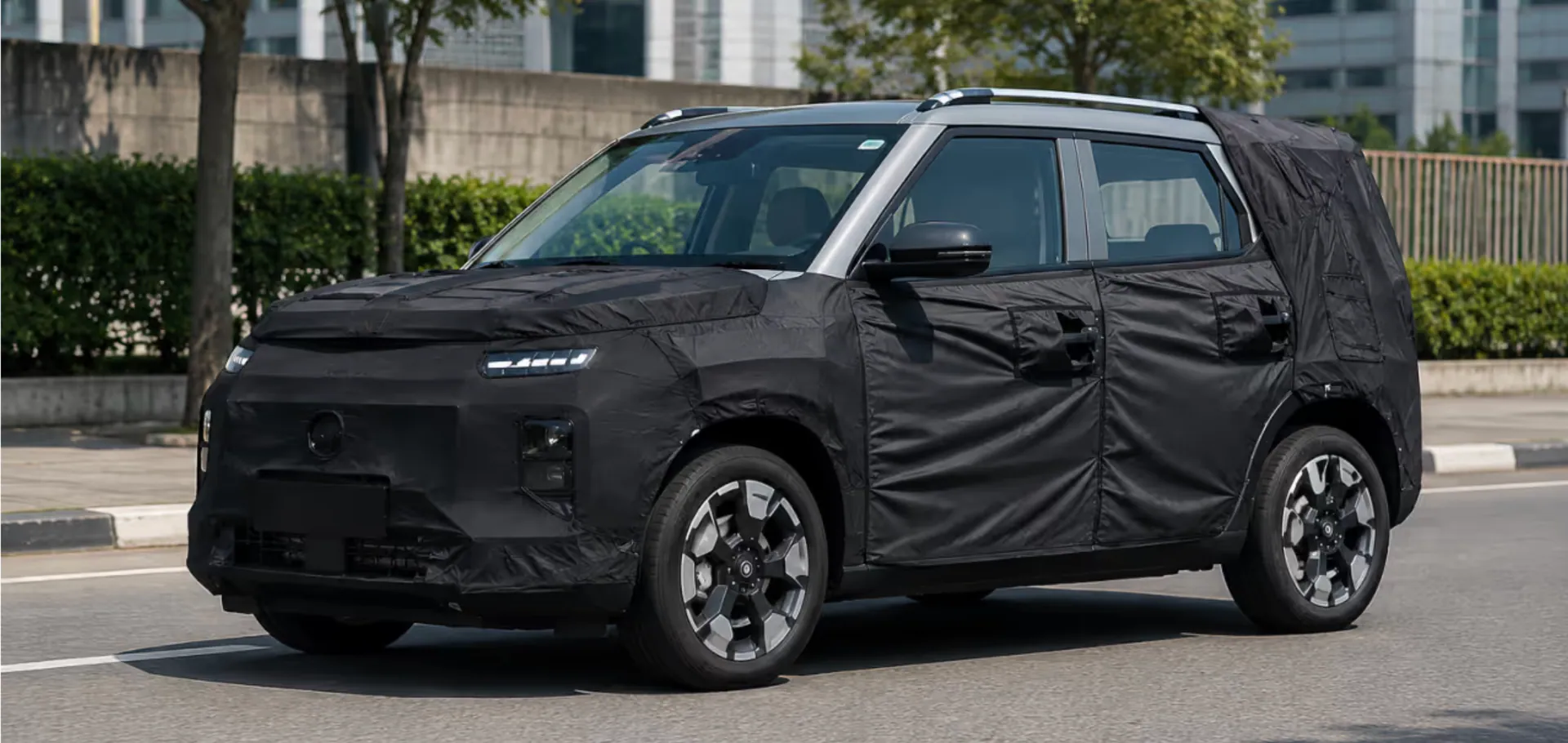
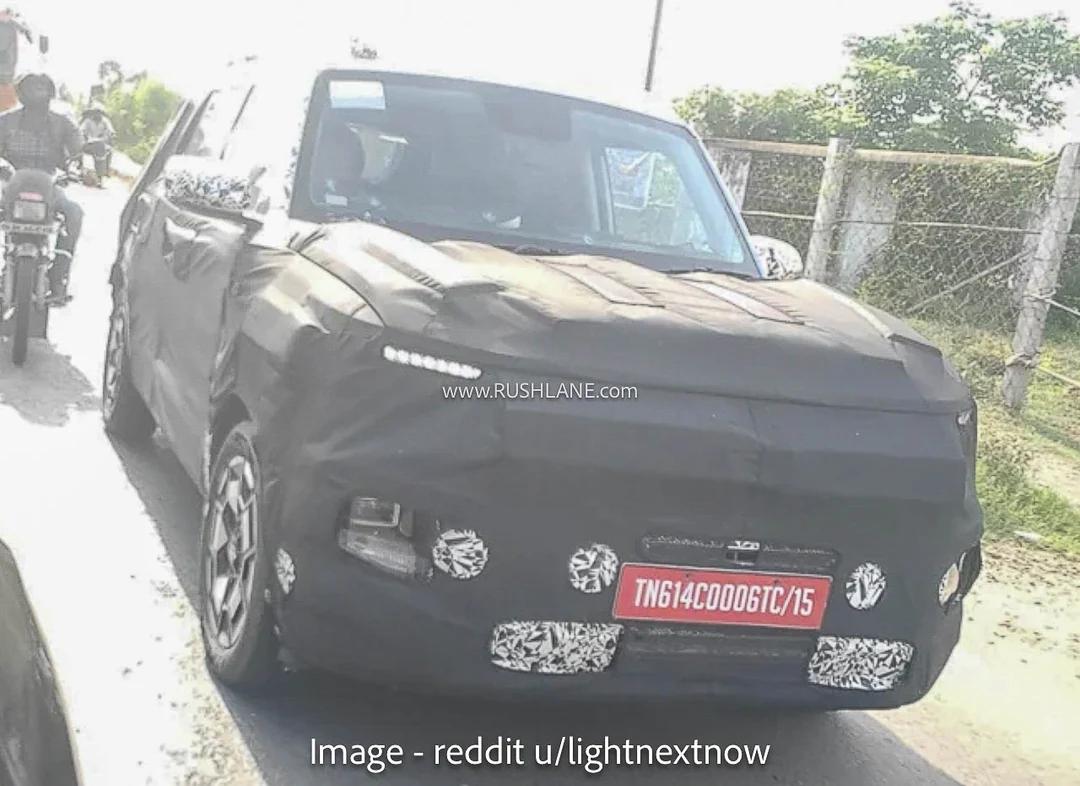
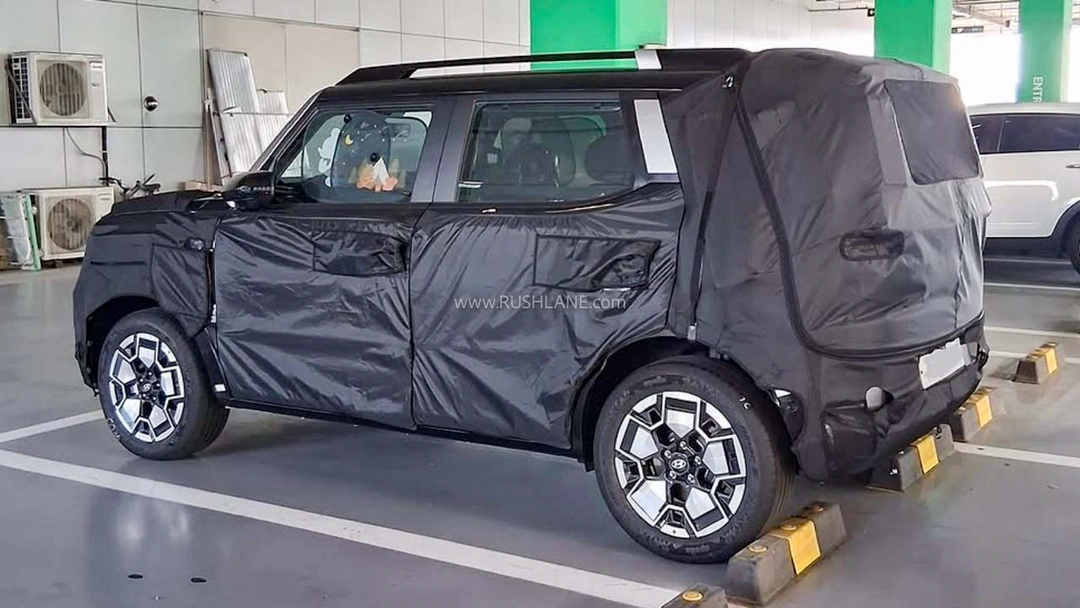
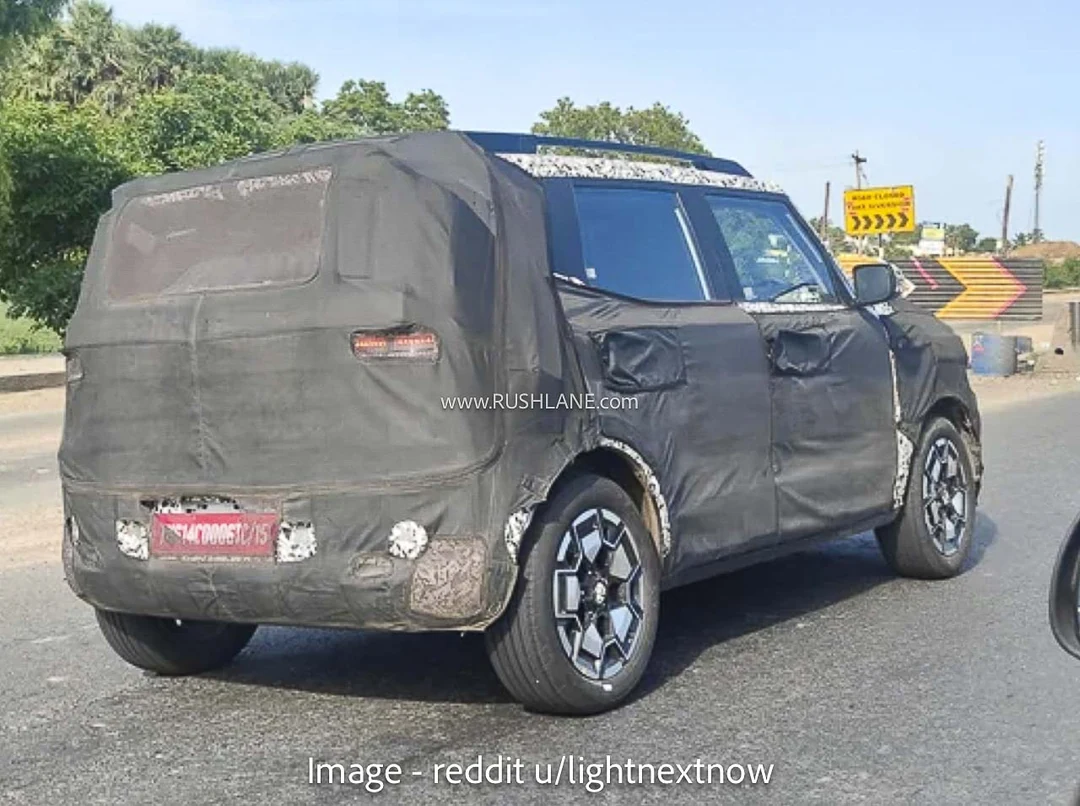
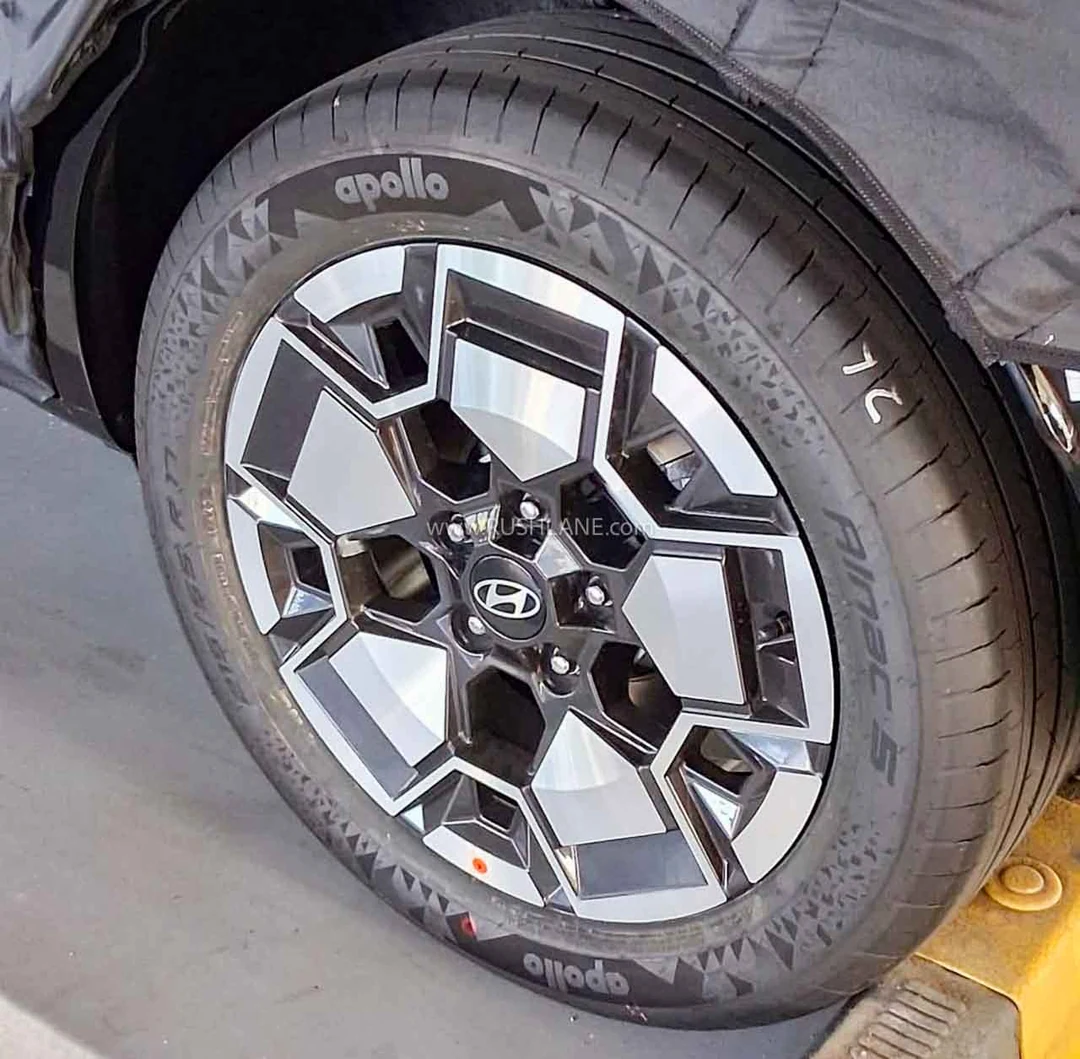
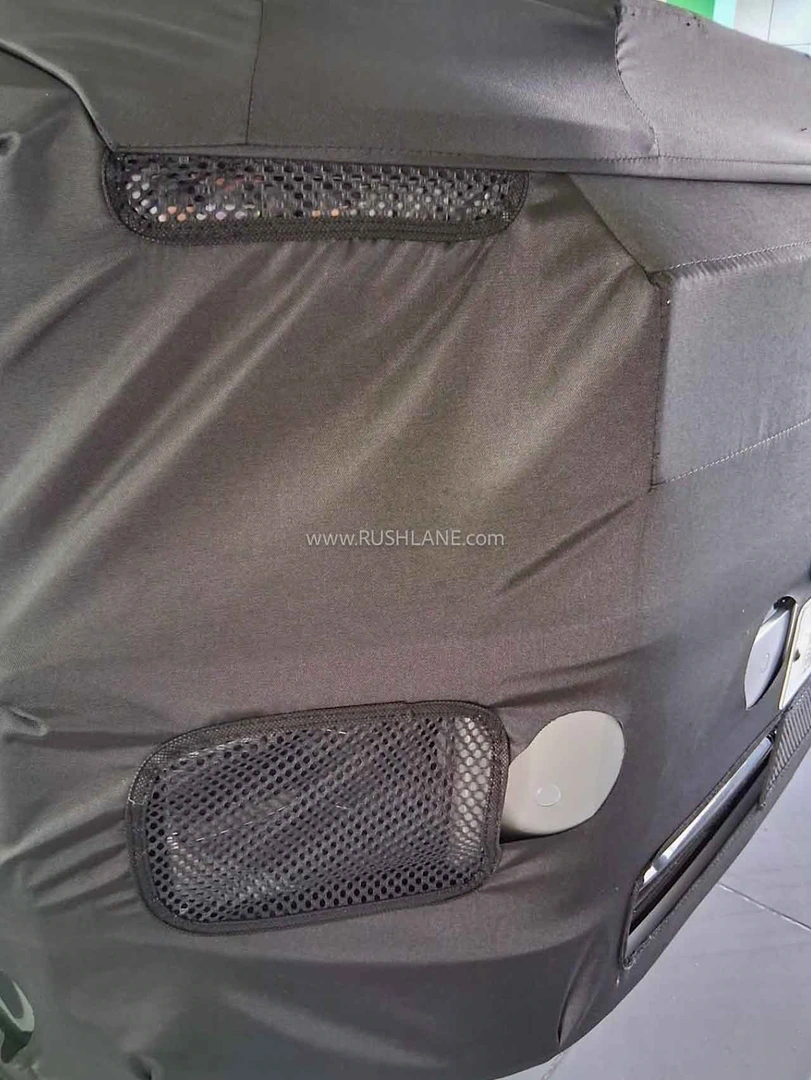
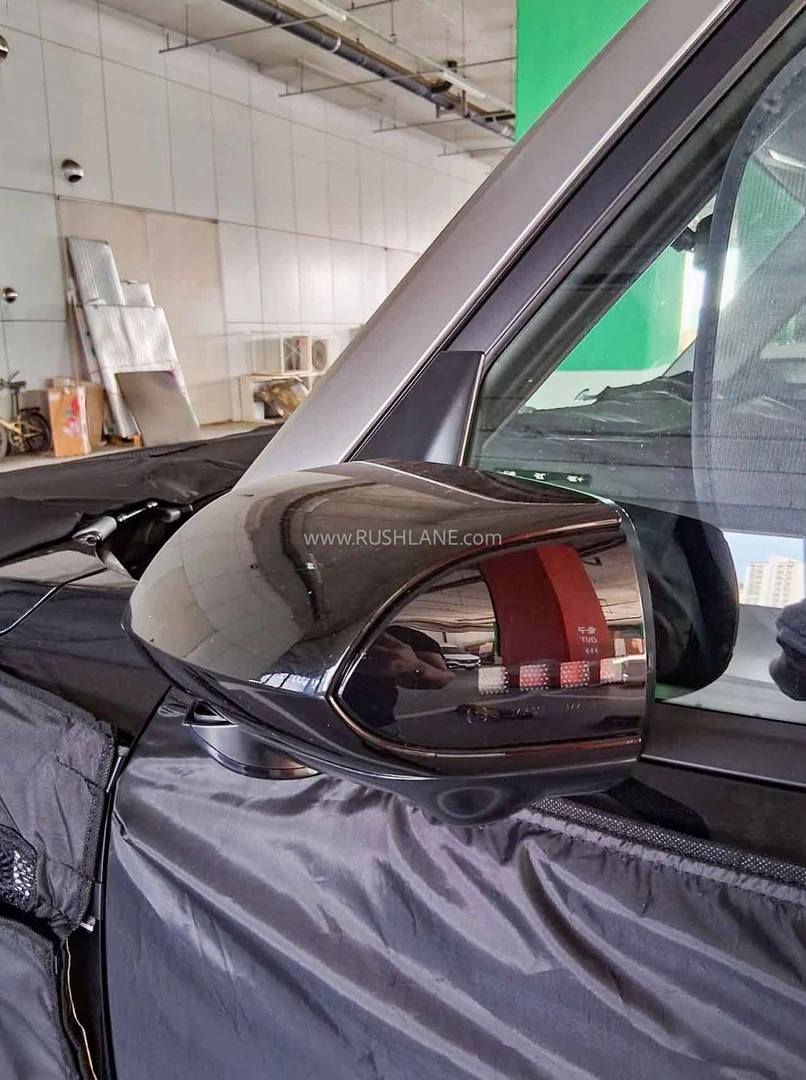
Hyundai HE1i
Long Range (expected)
VariantsThe Hyundai HE1i is an upcoming sub-4-metre electric SUV, the brand's first heavily localised EV developed specifically for India. It is expected to use a modified E-GMP(K) platform shared with the global Hyundai Inster, and will be built at Hyundai's Sriperumbudur plant in Tamil Nadu.
Price & Variants
Expected to sit between Rs 12 lakh and Rs 16 lakh (ex-showroom) across two battery variants, a Standard Range and a Long Range. Hyundai has not yet announced the production name, the final variant line-up or pricing.
Battery & Range
Two lithium-ion packs are expected: a 42 kWh unit claiming around 300 km and a 49 kWh unit claiming around 355 km on the WLTP cycle. DC fast charging of up to about 120 kW is reported, taking the pack from 10 to 80 percent in roughly 30 minutes, alongside an 11 kW AC onboard charger.
Performance
The 42 kWh version produces about 97 bhp and 147 Nm, while the 49 kWh version steps up to roughly 115 bhp with the same torque. Top speed is around 140 kmph for the Standard Range and 150 kmph for the Long Range, with 0-100 kmph in the 10.6 to 11.7 second range. Drive is sent to the front wheels.
Dimensions & Practicality
Measuring roughly 3,825 mm long, 1,610 mm wide and 1,575 mm tall on a 2,580 mm wheelbase, it keeps a tall, boxy profile with a flat roof, short overhangs, roof rails and thick body cladding. Boot space is around 280 litres with the rear seats up, expanding past 1,000 litres with them folded. India-spec cabin packaging is expected to differ from the global car, with five seats rather than four.
Features & Safety
Expected equipment includes dual 10.25-inch screens for infotainment and instrumentation, automatic climate control, wireless Android Auto and Apple CarPlay, ventilated front seats, a single-pane sunroof, a wireless phone charger and vehicle-to-load power output. Safety is expected to cover Level 2 ADAS, six to seven airbags, a 360-degree camera, stability control, hill-start assist and tyre pressure monitoring.
Market Position
It enters India's fast-growing mass-market electric SUV segment against the Tata Nexon EV, Mahindra XUV 3XO EV and Kia Syros EV, and is expected to arrive around the 2026 festive season or shortly after.