
Electric Vehicles in India: Big Opportunity, Real Challenges
India’s electric vehicle (EV) market is growing fast and moving from early adoption to mass usage. Electric scooters, bikes, and three-wheelers are now common on roads, especially in cities and delivery networks. Rising fuel prices and low running costs are pushing both individuals and businesses to shift toward electric mobility.
The biggest growth in India is happening in:
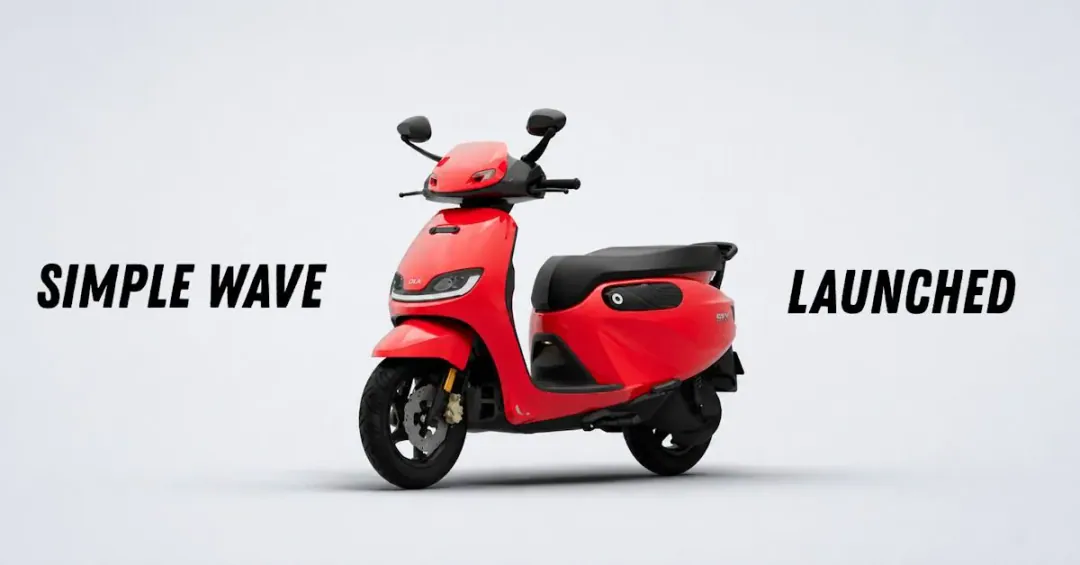
Electric two-wheelers (E2W) for daily commuting
Electric three-wheelers (E3W) for last-mile transport
Commercial EVs used in delivery and logistics
This shows that EVs in India are not just a trend—they are solving real, everyday problems.
However, the growth story also comes with challenges.
One major issue is the battery supply chain. India depends heavily on imports for lithium and other key materials. Global tensions, trade restrictions, or supply disruptions can increase battery costs, making EVs more expensive.
Another challenge is charging infrastructure. While it is improving, many areas still lack easy access to charging stations. This creates “range anxiety” for new buyers, especially outside major cities.
The industry itself is becoming highly competitive. Startups and traditional auto companies are both racing to capture the market. Price competition is intense, especially in the electric scooter segment, where affordability is key for Indian consumers.
On the positive side, strong government support is driving growth. Policies, subsidies, and initiatives like local manufacturing incentives are helping companies invest in EV production. There is also a push to reduce imports and build a domestic EV ecosystem.
Looking ahead, the future of EVs in India is very promising.
Battery technology is improving, which will reduce costs and increase range
Charging networks are expanding across cities and highways
Commercial EV adoption is expected to grow even faster due to cost savings
India also has the potential to become a global hub for affordable electric mobility, especially in the two- and three-wheeler segments.
Final thought:
The Indian EV market is at a turning point. Challenges like infrastructure and cost still exist, but the direction is clear. With the right balance of innovation, policy support, and investment, India can lead the next phase of the global EV revolution.